Project Overview
- Service Type
- SB 721 Inspection
- Location
- Vacaville, CA
- Property Type
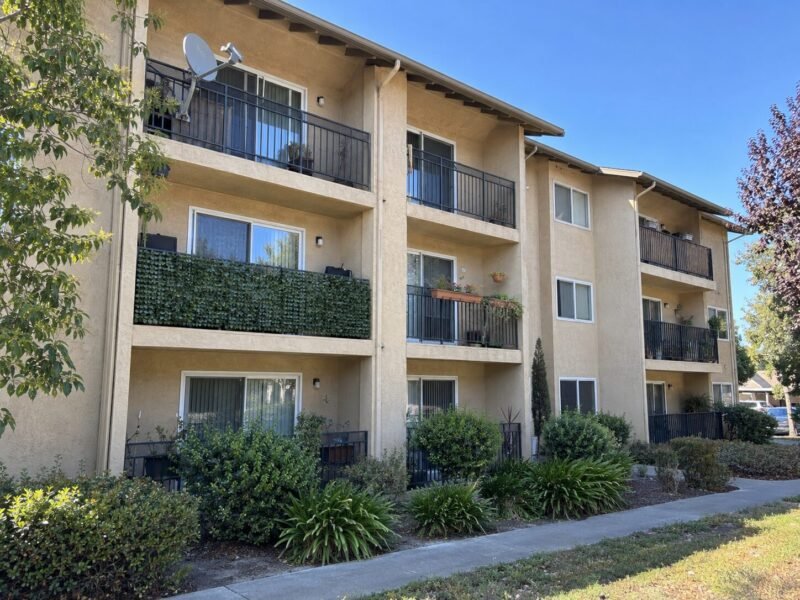
- Apartment complex (60 units, 5 buildings, built 2011)
- Timeline
- 2-day inspection · report issued in 9 days
- Completed
- June 2026
Project at a Glance
The Situation
The owner ran five buildings on one site and had no real picture of what condition the decks were in. Nothing was leaking and no tenant had complained — which is exactly the position in which an owner discovers a problem at the worst possible moment, usually mid-escrow or after something gives way.
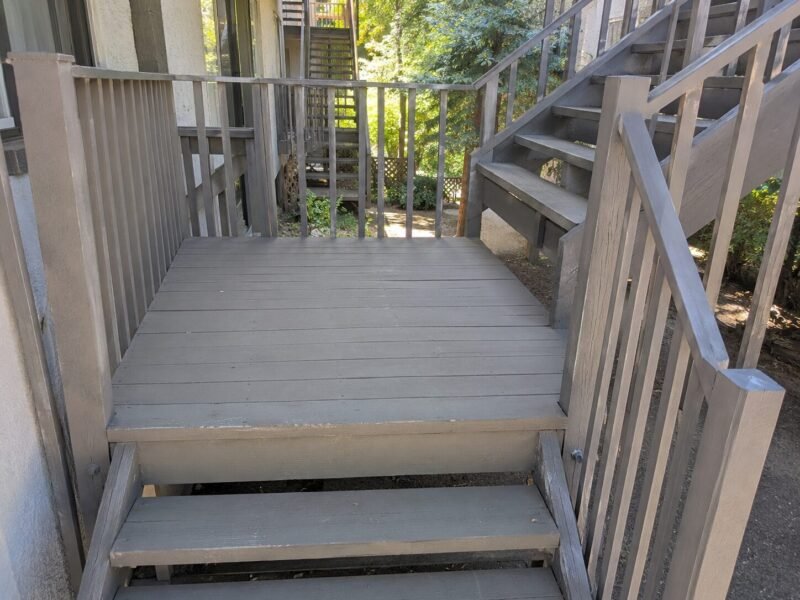
The buildings went up in 2011, under a code that already required proper flashing and drainage detailing, and they had been maintained. Going in, our attention was on the west-facing elevation, where a coating takes the hardest exposure in Solano County summers, and on the stair landings, which carry the most traffic on any property of this type.
SB 721 requires the first inspection to be completed and then repeated every six years, with the written report retained for two cycles. Booking before the deadline rather than after it is the difference between choosing your contractor and your schedule, and having both chosen for you. Our SB 721 inspection service covers the survey, the report and the maintenance schedule.
The Solution
We assessed all 28 elements — 18 balconies, 6 stair landings and 4 elevated walkways — rather than a statutory sample. At this size the cost difference was marginal, and a complete survey is worth considerably more to an owner planning capital spend than an extrapolation.
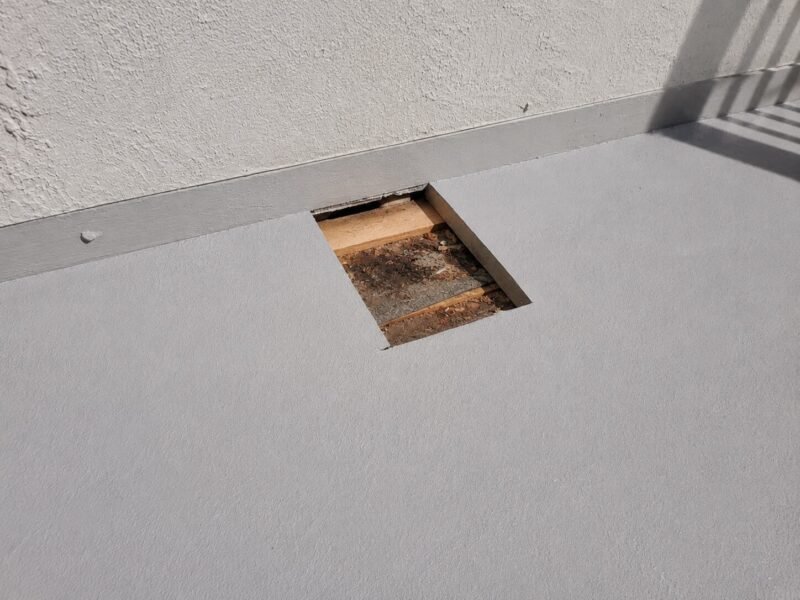
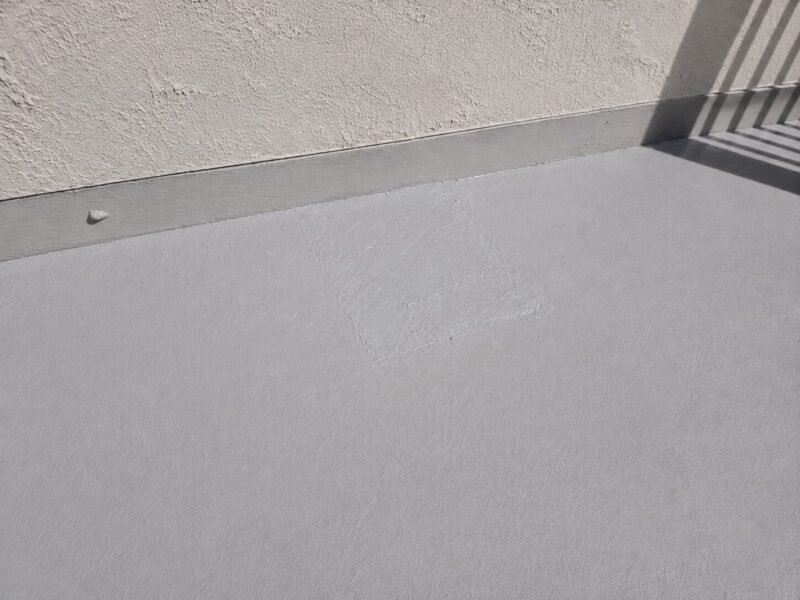
Four openings were cut, on the west elevation and at the two busiest landings. Every reading came back within normal range, flashing was intact and correctly lapped, and drainage ran clear. What we did produce was a maintenance list: sealant nearing the end of its life at nine post bases, two scuppers holding debris, and a coating with roughly four years left before recoat. None of that is a repair. All of it is cheaper now than later.
- SB 721 inspection of all 28 elevated elements (100%, not sampled)
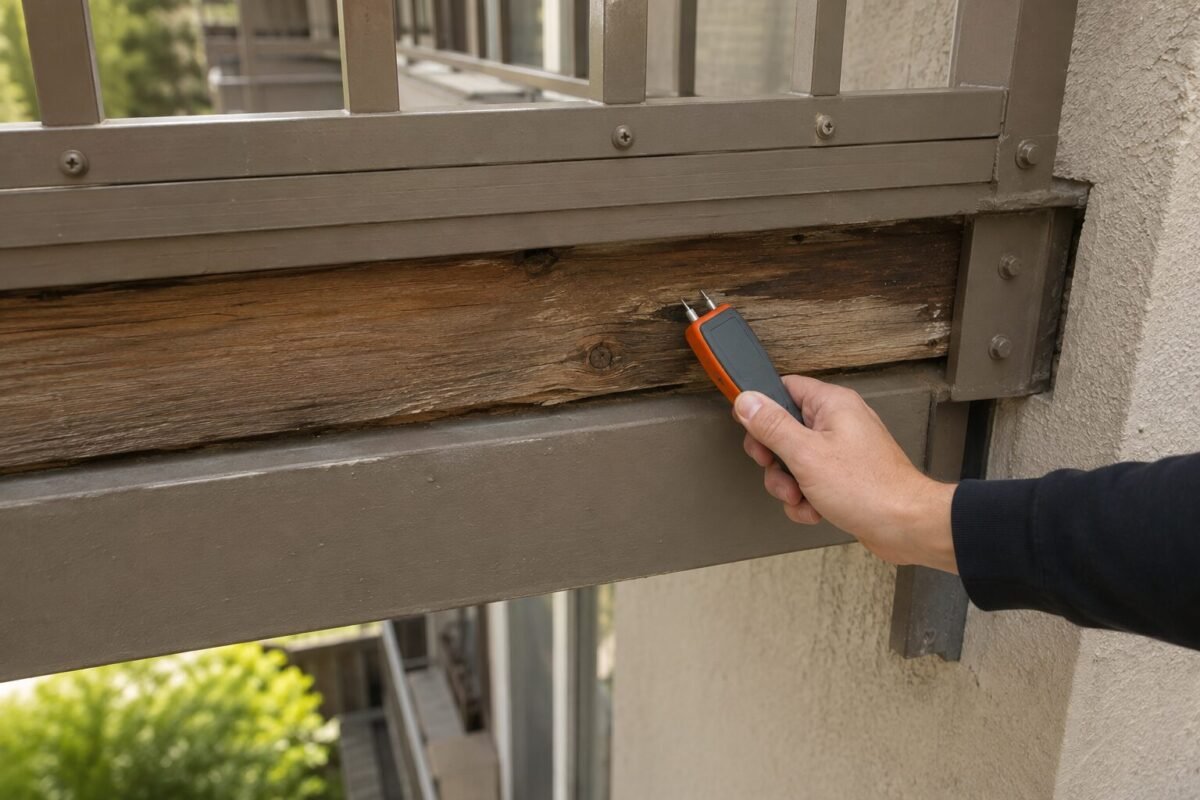
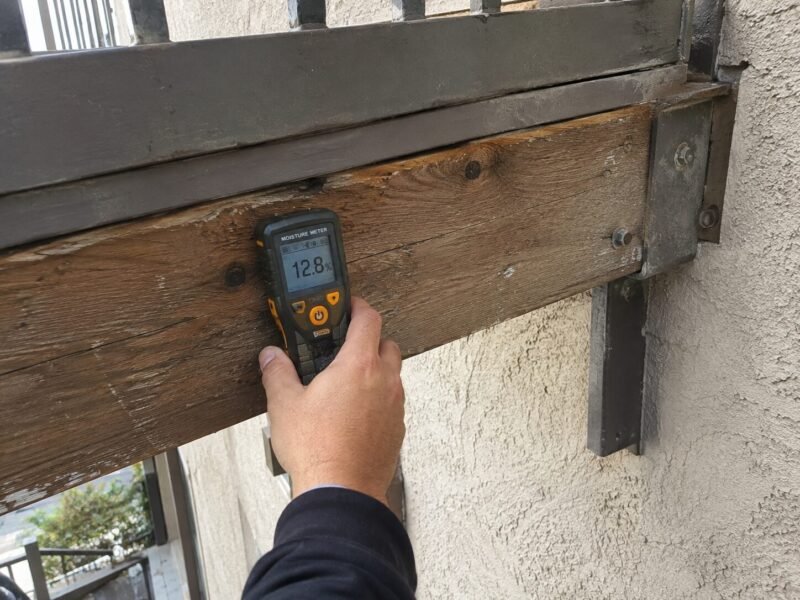
- Moisture readings at every ledger and door threshold
- Four exploratory openings on the highest-exposure elevations
- Written report with condition ratings & photographs
- Five-year maintenance and budget schedule
- Re-inspection date documented for the six-year cycle
How the Project Ran
-
Scoping call (Day 0)
Element count, access and building age confirmed by phone; fixed quote issued for a full 100% survey rather than a sample.
-
Inspection (Days 1–2)
All 28 elements assessed and photographed, with moisture readings taken at every ledger and door threshold.
-
Openings (Day 2)
Four exploratory openings cut on the west elevation and at the two busiest stair landings; all readings within normal range; openings closed and re-coated the same day.
-
Report & schedule (Day 9)
Written SB 721 report issued with condition ratings, a five-year maintenance schedule, and the next inspection date on the cover page.
Materials & Equipment Used
- Westcoat ALX patch material closure and recoat at the four exploratory openings
- Polyurethane sealant spot re-sealing at the post bases flagged for maintenance
- Pin & pinless moisture meters readings at every ledger and threshold
- Borescope camera visual confirmation inside each opening
Inside the Inspection
All 28 elements passed — no repairs required, next inspection due 2032.
I expected a sales pitch and got a maintenance list. Knowing the coating has four years left in it is worth more to me than being told everything is fine.
Questions About This Project
What do I get if the inspection finds nothing?
A written report with condition ratings, photographs and the date your next inspection is due — which is the document a lender, a buyer or an insurer will ask you for. That report is the point of the exercise; a repair contract is not.
Should we still inspect if our deadline has already passed?
Yes, and most properties we see are in that position. The obligation does not expire — the cycle simply runs from your first completed inspection, so getting it done now sets a clean date going forward.
What does an inspection cost when nothing turns out to be wrong?
The same as when something is. Pricing follows the number and complexity of elements and the access required, not the findings — which is how it has to be, since an inspector paid according to what he finds is not really an inspector.