Project Overview
- Service Type
- SB 721 Inspection · Structural Repair · Waterproofing
- Location
- Rocklin, CA
- Property Type
- Townhome-style apartment community (32 units)
- Timeline
- 2-day inspection · 10 working days reconstruction
- Completed
- February 2026
Project at a Glance
The Problem
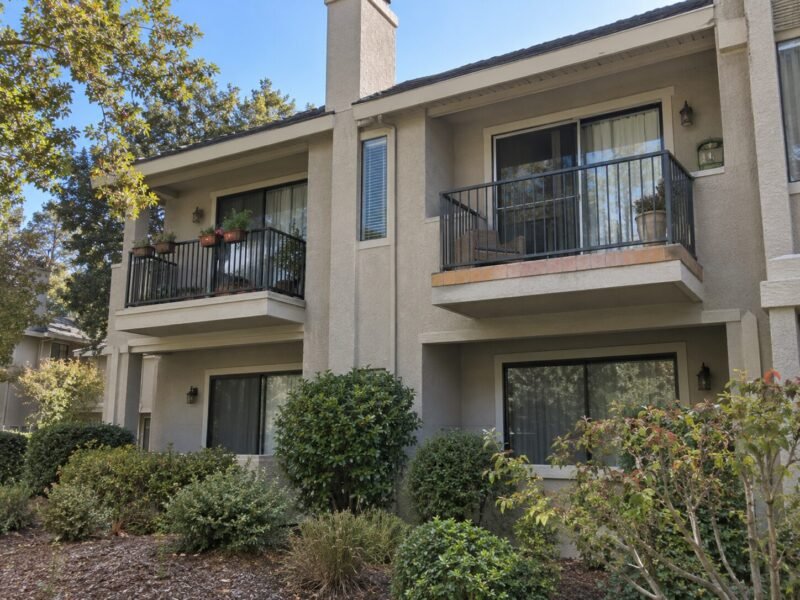
The owner was 90 days from listing the property and wanted a clean SB 721 report in the data room. We started with the statutory 15% sample — five decks, distributed across the community — expecting a routine result on buildings only twelve years old.
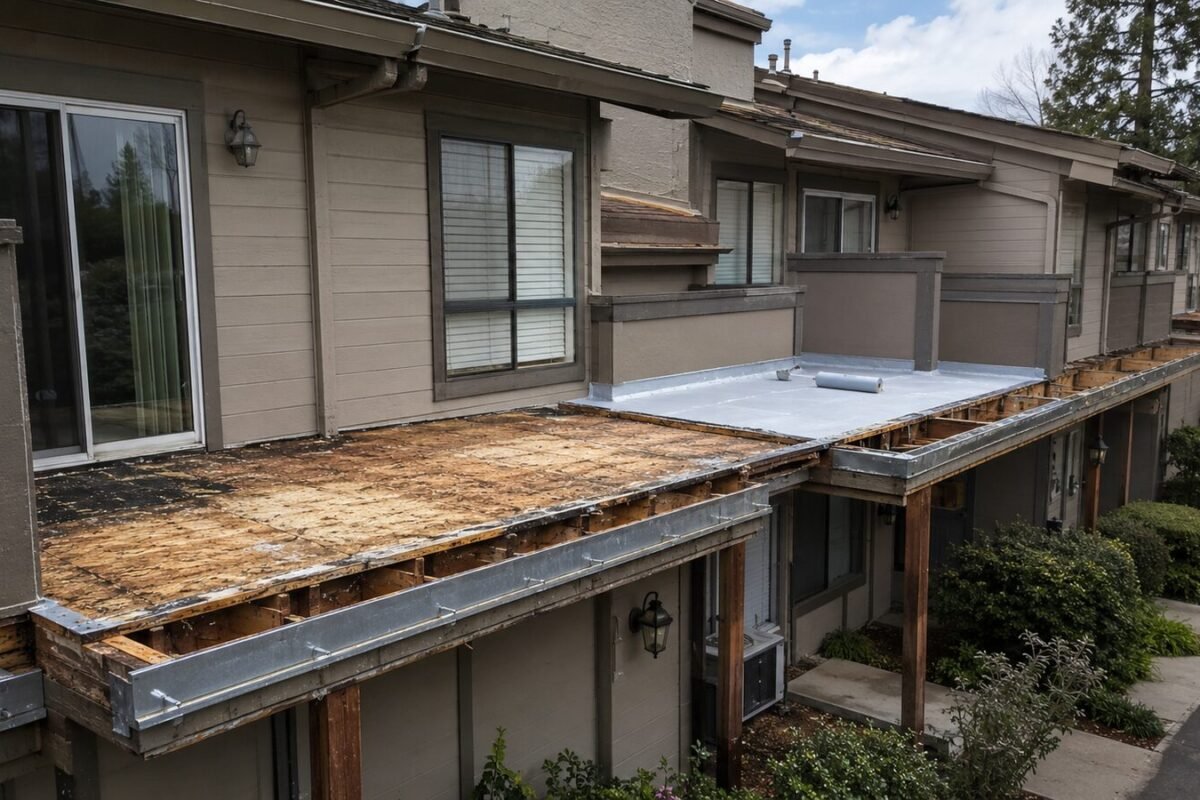
Two of the five had moisture behind the deck edge fascia. The original acrylic coating had chalked and hairline-cracked at the outboard edge, and the edge metal had been installed over the membrane rather than under it, so every rain ran behind the coating instead of off it. We recommended expanding to 100%, and the owner agreed the same day.
The full survey found the same detail on 19 decks and rot at the ledger on four. SB 721 — Health & Safety Code §17973 — gives an owner 120 days from receipt of the report to apply for a permit on non-emergency repairs, and 120 days from permit issuance to finish; a buyer's diligence team reads those dates closely. Our SB 721 inspection service covers the sample, the expansion and the repair under one license.
The Solution
All 32 decks were stripped to the substrate and the plywood checked panel by panel for delamination. Four decks needed framing: rim joists and ledger blocking cut out and replaced in pressure-treated Douglas fir on new Simpson Strong-Tie hardware, with city inspection at each opening.
Every deck then received a full Westcoat ALX build-up, with galvanized edge metal set under the membrane and the slope corrected to the drainage edge. Work moved four decks at a time, so no resident lost their entrance for more than a working day, and the finished report went into the listing package with photographs of each deck.
- SB 721 inspection — 15% sample expanded to 100%
- Coating removal & substrate assessment
- Rim joist and ledger replacement on 4 decks
- Westcoat ALX multi-layer waterproofing (32 decks)
- Galvanized edge metal reinstalled under the membrane
- Photo-documented compliance file for the six-year cycle
How the Project Ran
-
Sample inspection (Day 1)
Five decks inspected under the statutory 15% sample, with moisture readings and fascia openings; two returned elevated readings behind the edge metal.
-
Expanded survey (Day 2)
All remaining decks inspected the following day; 19 showed the same edge-detail failure and four showed structural rot at the ledger.
-
Framing repairs (Days 3–7)
Coatings removed, substrate assessed, and rim joists and ledger blocking replaced on the four affected decks with new connectors and permit inspection.
-
Waterproofing & closeout (Days 8–12)
Westcoat ALX applied across all 32 decks with corrected slope and re-set edge metal; final report and photo file delivered ahead of the listing.
Materials Used
- Westcoat ALX system multi-layer walking-deck waterproofing
- Galvanized deck edge metal set beneath the membrane at the outboard edge
- Pressure-treated Douglas fir rim joists and ledger blocking
- Simpson Strong-Tie connectors hangers, straps and fasteners
Before & After
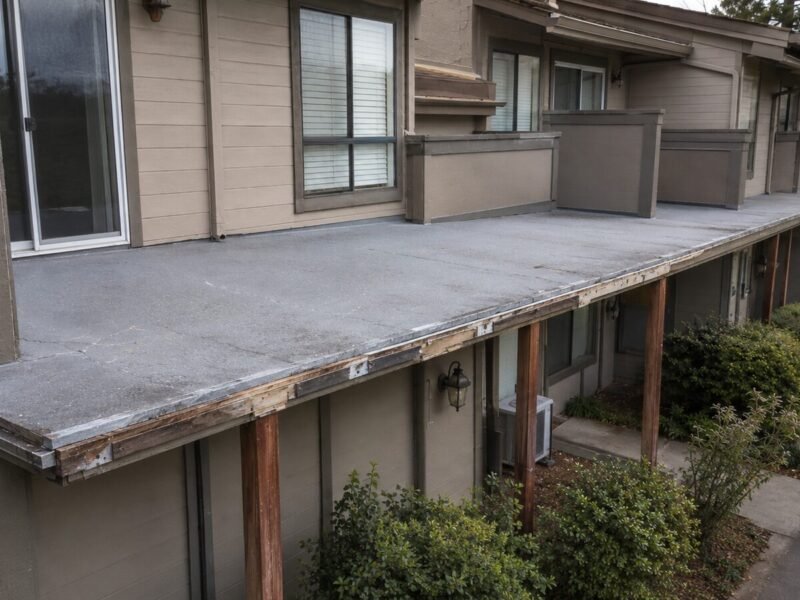
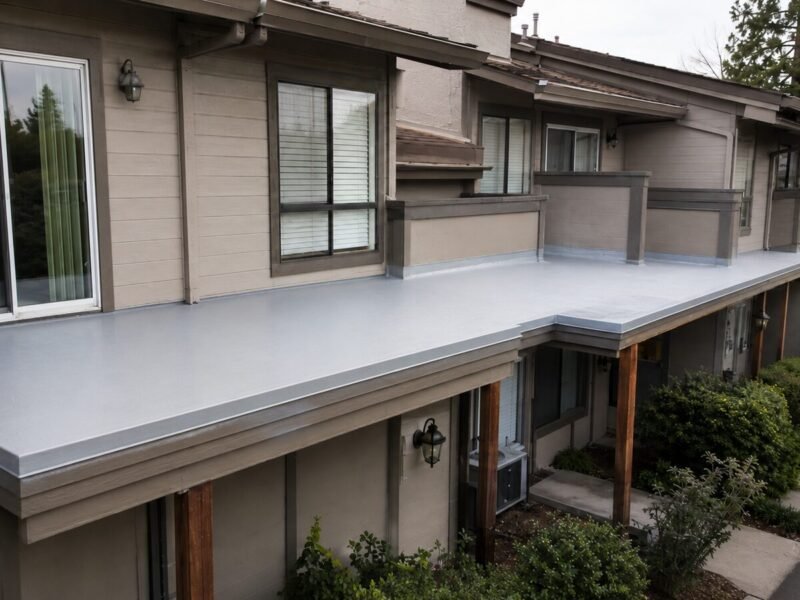
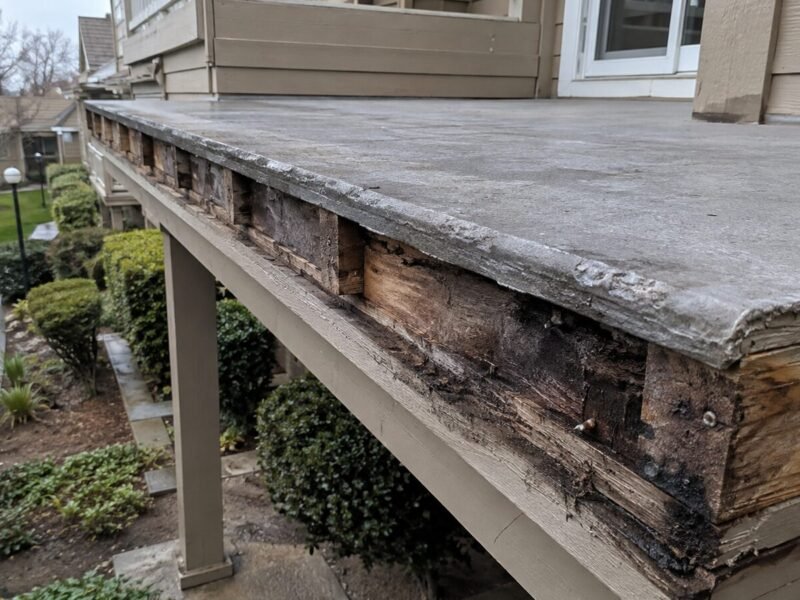
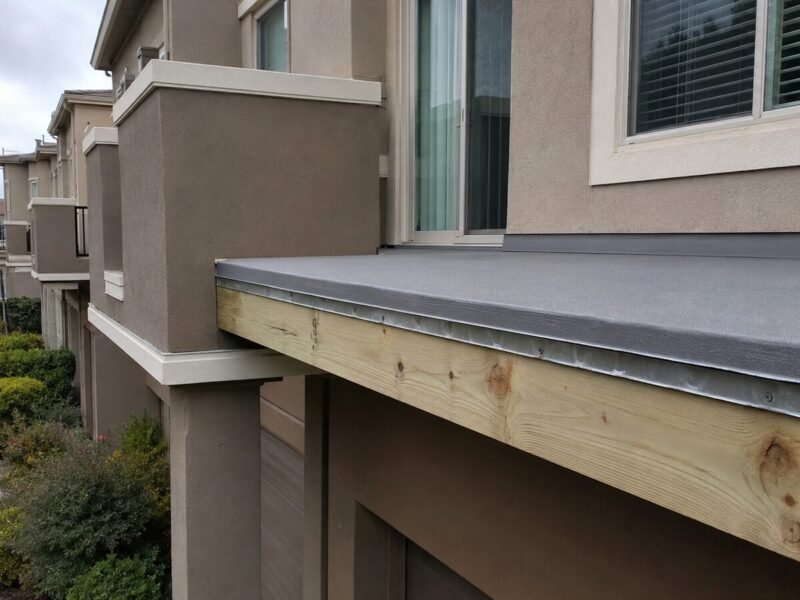
All 32 decks compliant — a clean SB 721 report delivered ahead of the listing date.
They found it on deck number two and told me straight that the sample wasn't going to be the whole story. Better to hear that in October than from a buyer's inspector in February.
Questions About This Project
Is a 15% sample really enough?
It is the statutory minimum, and on a well-built property it often is. But the sample exists to detect a pattern, not to define the scope — when two of five decks share the same defect, the honest read is that the defect belongs to the building, not to those two decks.
Can an inspection be done before a sale?
Yes, and it is usually cheaper than doing it afterwards. A completed report with repairs closed out removes the largest single unknown from a buyer's diligence and heads off the price negotiation that follows a surprise finding.
How long does a new coating system last?
A properly detailed traffic-bearing membrane typically runs 10–15 years before recoat, provided the edge metal, thresholds and drainage are right. Those details — not the coating product — decide the lifespan.