Most balcony failures begin long before they become visible, but there are warning signs a property owner can spot without any special training. Catching them early is the difference between a routine repair and a full structural reconstruction — and, in the worst cases, between safety and a serious accident.
Seven red flags to watch for
- Soft or spongy decking underfoot, which often signals rot in the substrate below the walking surface.
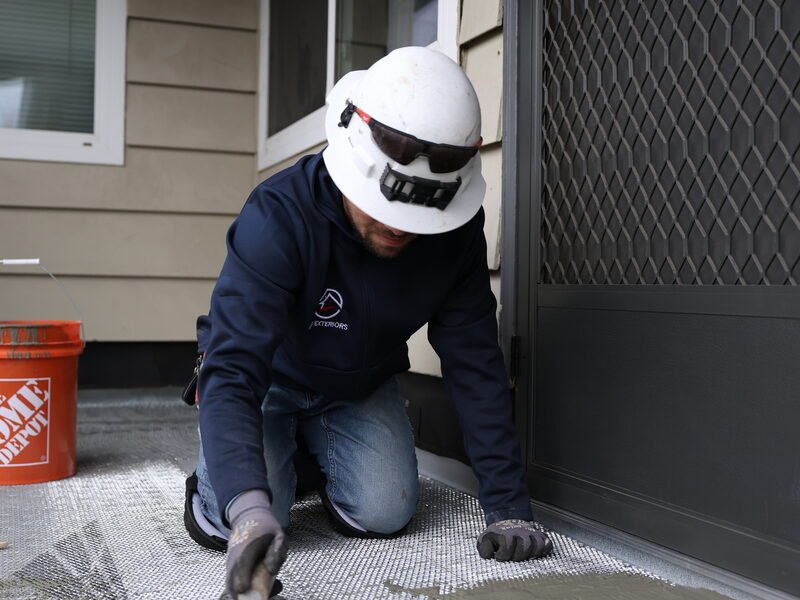
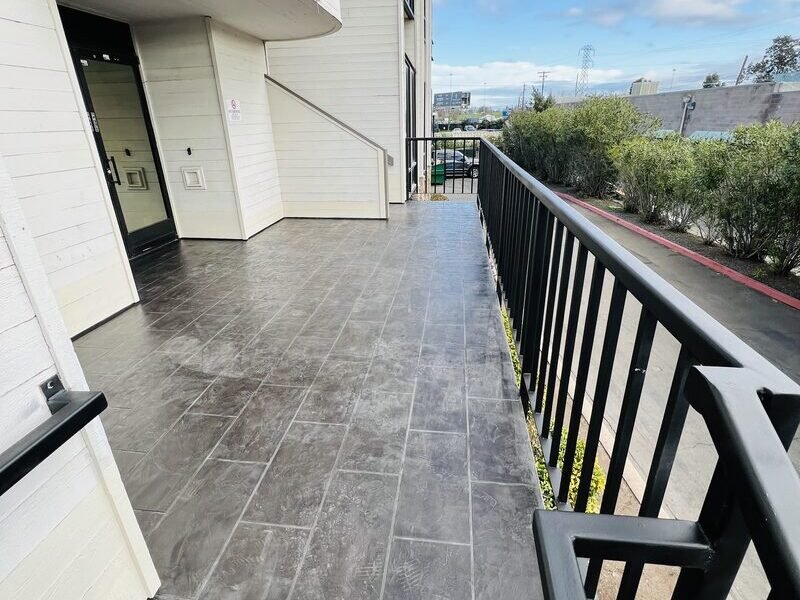
- Cracked, peeling or blistered waterproof coatings that let water reach the wood framing.
- Staining or efflorescence on the underside of the balcony or on the wall beneath it.
- Rusted fasteners, brackets or connectors — corrosion weakens the very hardware holding the structure together.
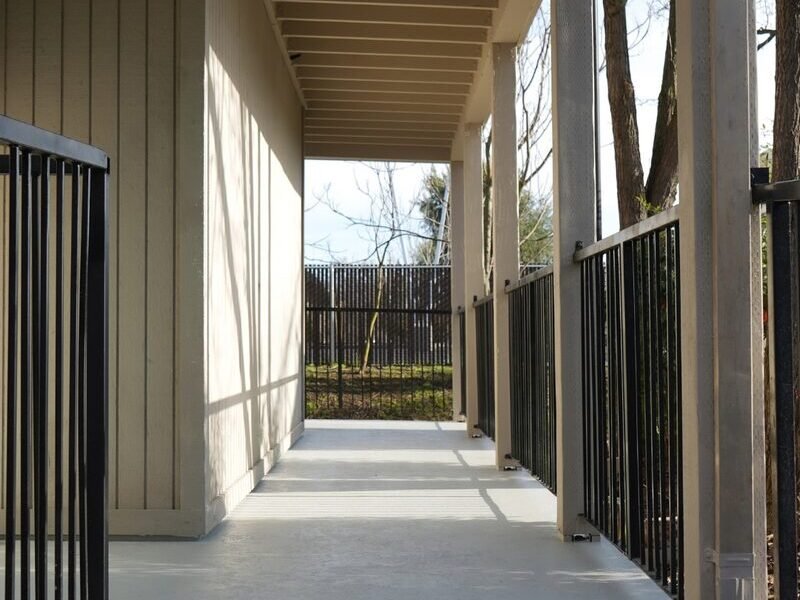
- Loose, wobbly or leaning railings, which are both a fall hazard and a symptom of deeper damage.
- Gaps or separation where the balcony meets the building wall, a common entry point for water.
- Pooling water that doesn’t drain, accelerating membrane failure and rot.
Why water is the real enemy
Nearly every elevated-element failure traces back to water intrusion. Where waterproofing fails, moisture reaches the wood framing and dry rot follows — often hidden inside the assembly where you cannot see it. By the time damage shows on the surface, the structure beneath is usually far worse than it looks.
What to do next
If you notice any of these signs, do not wait for your scheduled compliance cycle. A targeted inspection now can confirm whether the damage is cosmetic or structural and keep a small, inexpensive repair from turning into a large, disruptive one. For property managers, a quick annual walk-through using this checklist is one of the highest-return maintenance habits you can build.