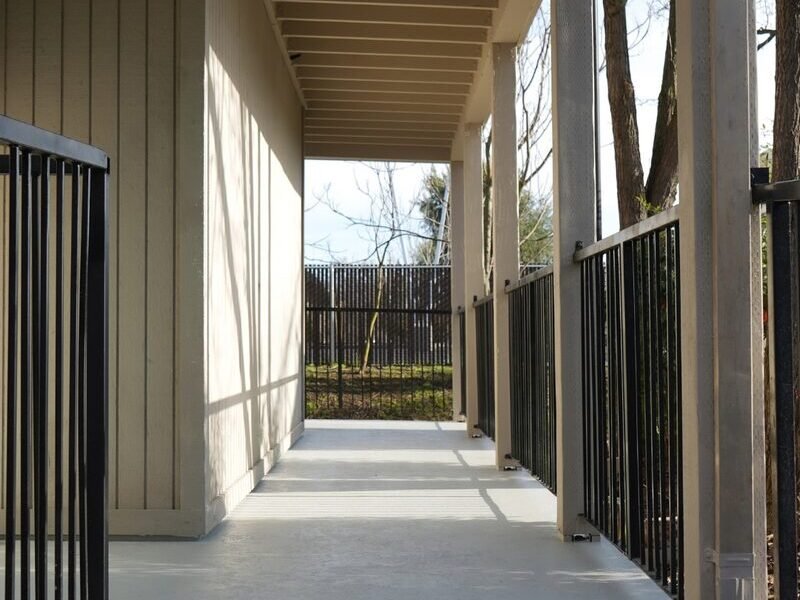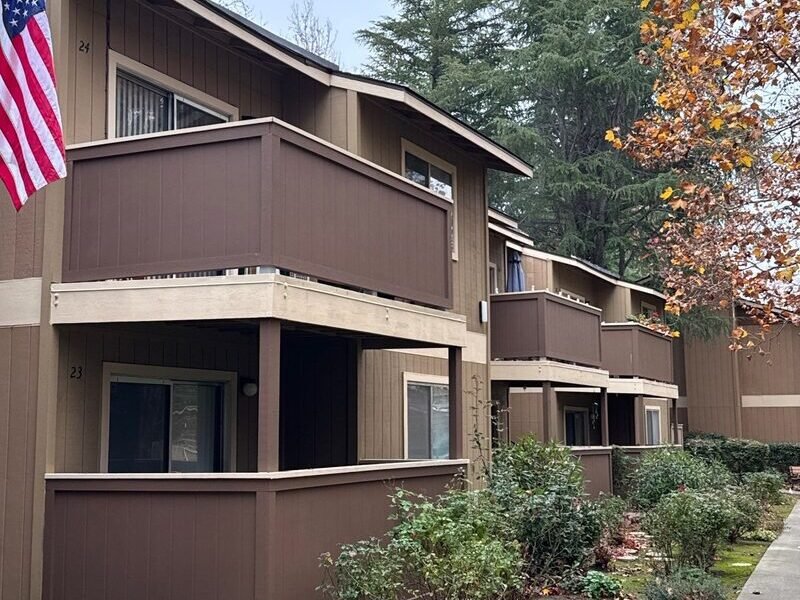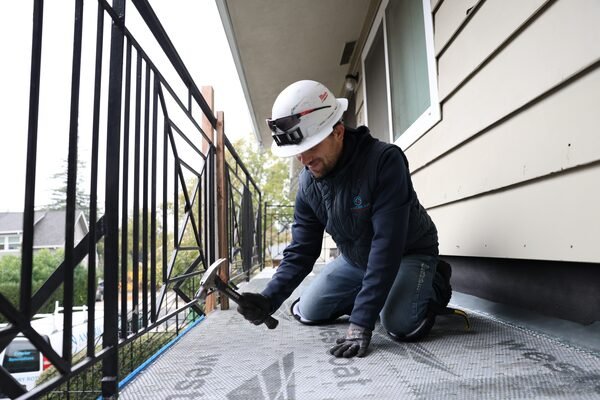
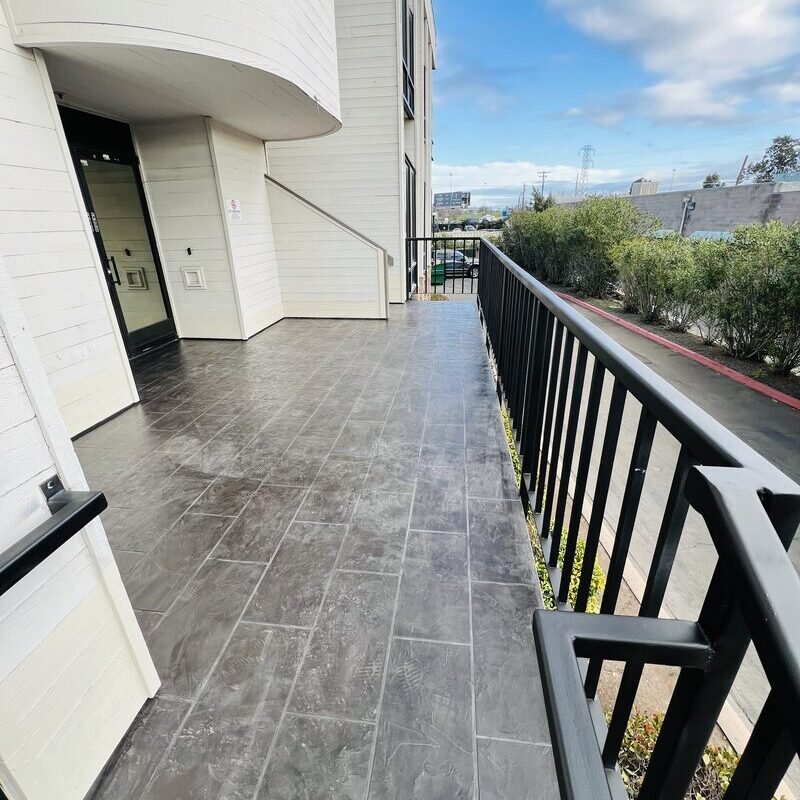
California Senate Bill 721 changed the rules for multifamily property owners across the state. If you own a building with three or more units, the law requires a qualified professional to inspect every exterior elevated element — balconies, decks, landings, stairways, walkways and their railings — on a recurring schedule. The goal is straightforward: catch structural weakness before it fails and causes injury.
Who is affected
SB 721 applies to apartment buildings and other multifamily structures with three or more dwelling units. Condominiums and homeowner associations fall under a separate law, SB 326, with its own timeline and inspector requirements. If you are unsure which category your property falls into, that distinction is the first thing to confirm — hiring the wrong type of inspector can leave you non-compliant even after paying for an inspection.
The deadline and the six-year cycle
The initial statewide compliance deadline has now passed, and inspections must be repeated every six years thereafter. Buildings that miss their window can face civil penalties that accrue daily until compliance is achieved. More importantly, an un-inspected balcony that fails can expose an owner to serious liability if someone is hurt.
What a qualified inspection covers
A proper SB 721 inspection examines the load-bearing components of each elevated element and the waterproofing system that protects them. The inspector evaluates a statistically significant sample — enough coverage to represent the whole building — and documents everything in a written report that stays on file for the property.
- Visual assessment of framing, connections and fasteners
- Evaluation of the waterproofing membrane and flashing
- Moisture readings or limited exploratory openings where needed
- A written report with photos, findings and any required repairs
How to stay ahead of it
If your report identifies conditions that threaten immediate safety, repairs must begin quickly. The practical takeaway for owners is simple: schedule early, use a licensed inspector, keep your documentation organized, and note the date your next six-year cycle begins. Treating the inspection as routine maintenance — rather than a last-minute scramble — is the cheapest way to protect both your tenants and your investment.
If you own or manage a qualifying property in the Sacramento region and haven’t completed your inspection, the safest move is to book an assessment now rather than wait for a complaint or a failure to force the issue.