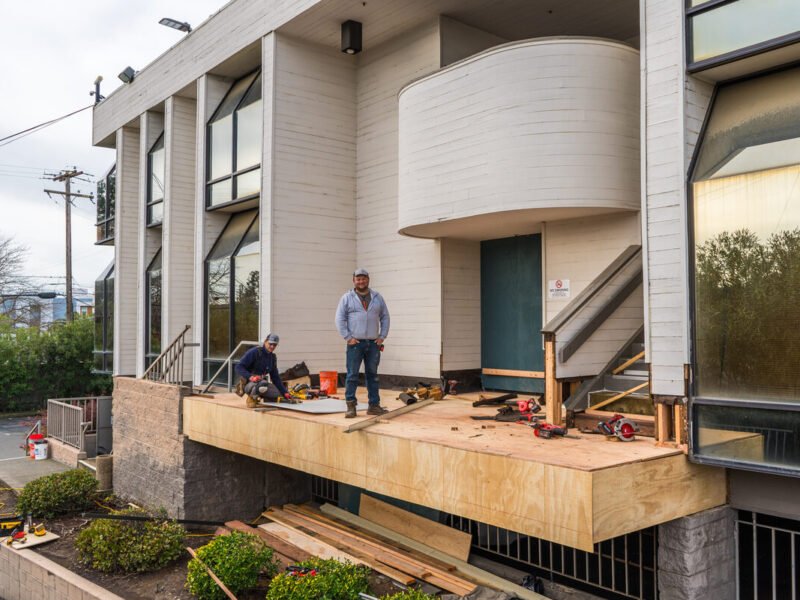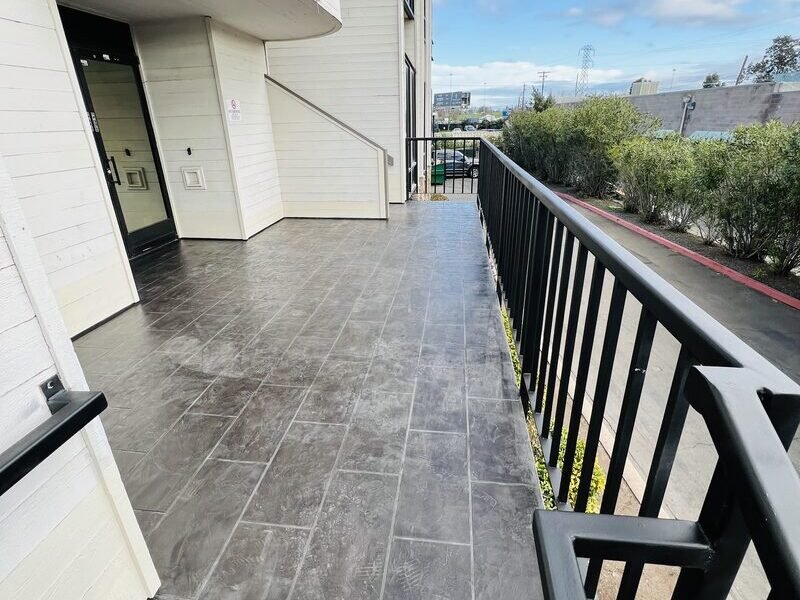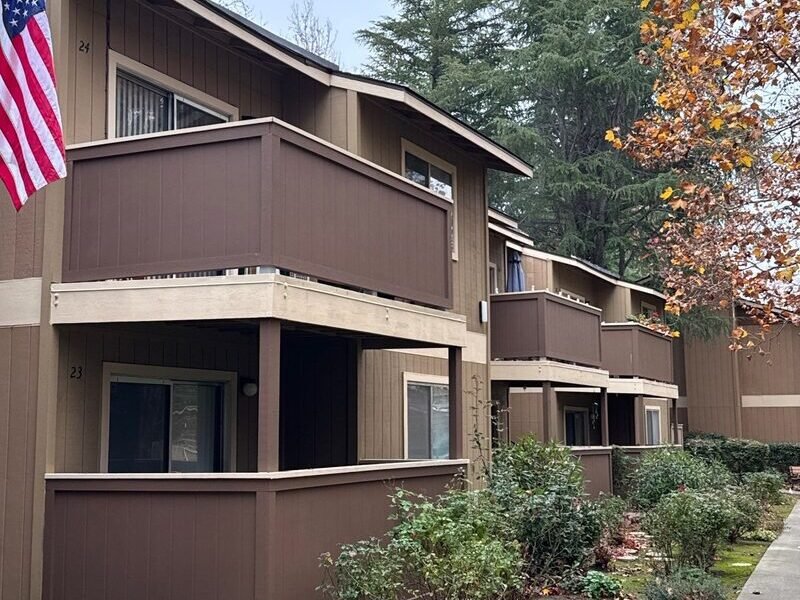
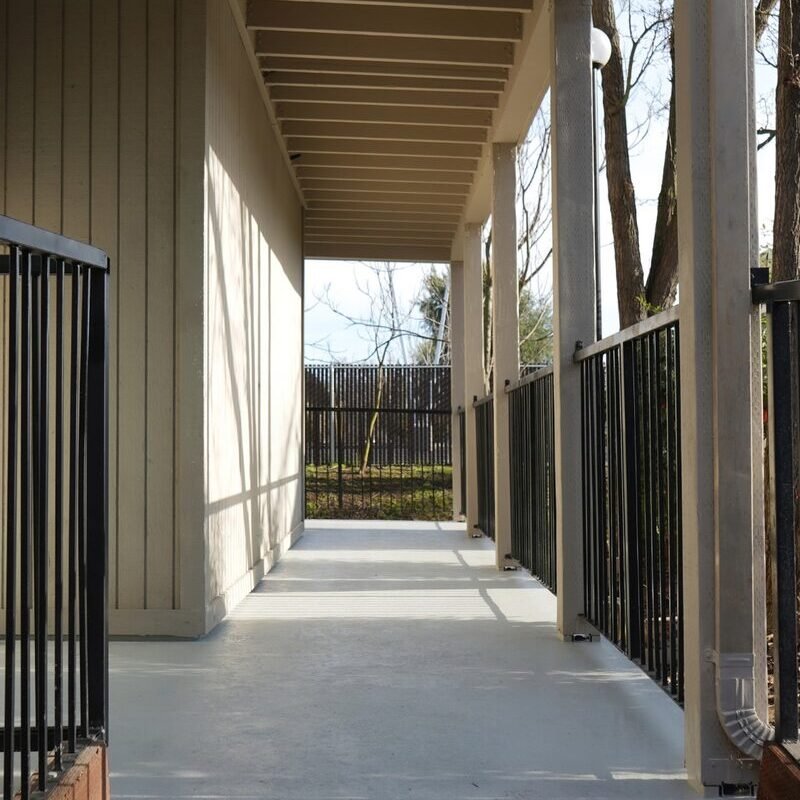
SB 326 and SB 721 both address the safety of exterior elevated elements, but they apply to different property types and carry very different requirements. Confusing the two is one of the most common — and most expensive — mistakes we see property managers and boards make.
Different laws for different buildings
SB 721 governs apartment buildings and multifamily structures with three or more units. SB 326 governs condominium and homeowner associations (HOAs) that fall under the Davis-Stirling Act. The building type determines which law applies, and therefore who you are legally allowed to hire and how often the work must be done.
Who can perform the inspection
Under SB 326, the inspection must be performed by a licensed structural engineer or architect. SB 721 allows a broader set of qualified inspectors. This is the single biggest practical difference: an HOA cannot satisfy SB 326 with an inspector who only meets the SB 721 standard.
Different cycles
- SB 721 (apartments): inspection every six years
- SB 326 (condos / HOAs): inspection every nine years
The sampling requirements and the way findings feed into planning also differ. SB 326 results, for example, flow directly into an association’s reserve study and budgeting process, which makes early scheduling especially valuable for boards.
The bottom line
If you manage a condominium or HOA, you almost certainly fall under SB 326 — which means an engineer-level inspection and a nine-year cycle. If you own apartments, SB 721 and a six-year cycle apply. Knowing which law governs your building tells you exactly who to hire and when your next inspection is due. When in doubt, confirm the classification before you spend a dollar on an inspection, because the wrong inspector means starting over.