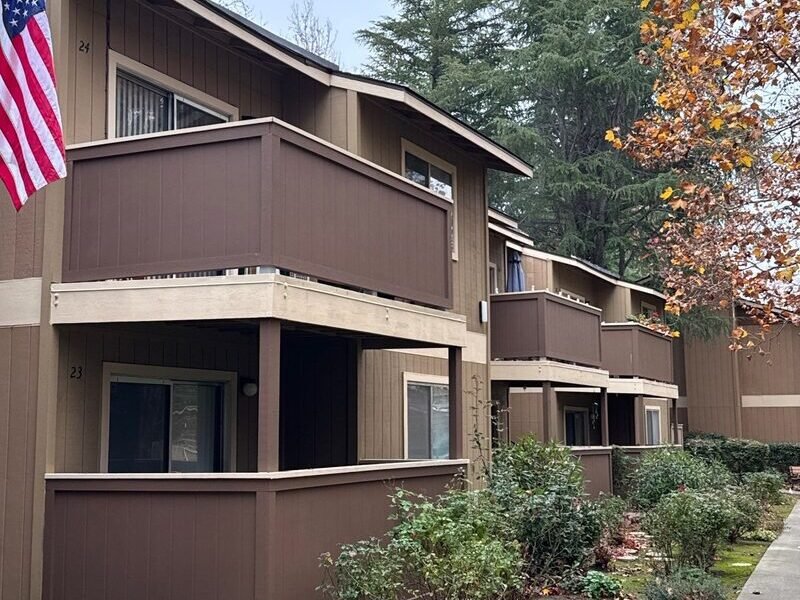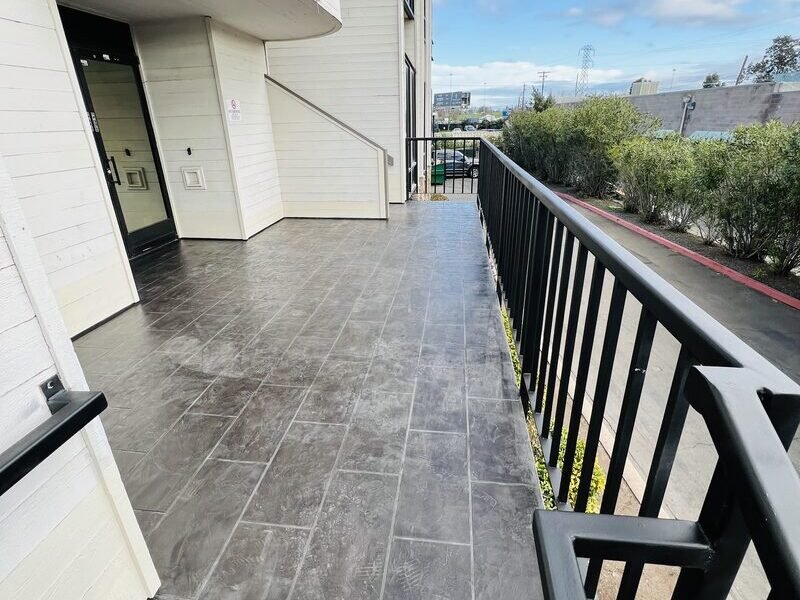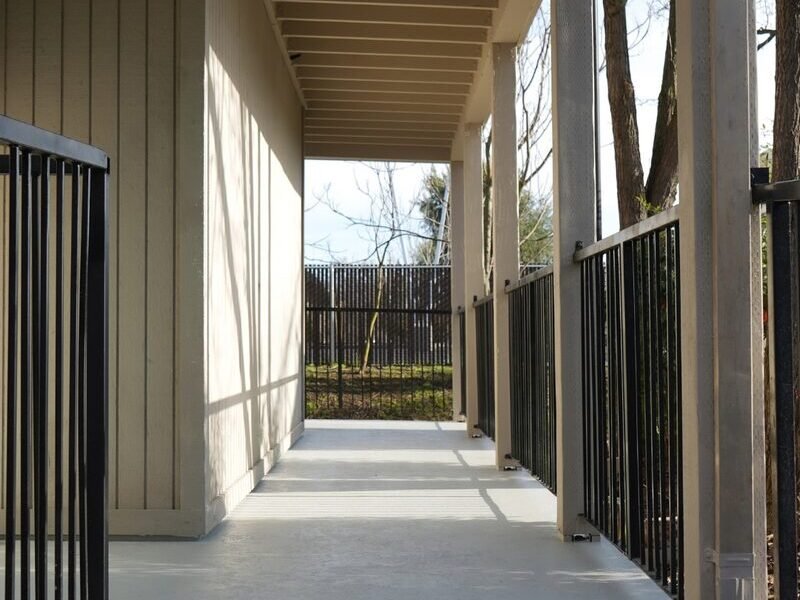
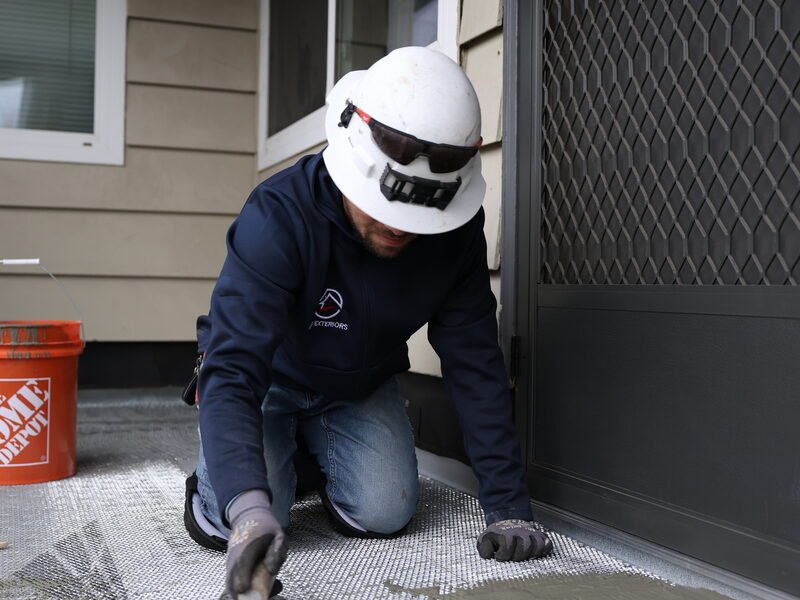
The waterproofing membrane is what stands between a balcony deck and the wood framing beneath it. When it is intact, the structure stays dry and sound. When it degrades, everything below is at risk — which is why waterproofing is the single most important thing a property manager can maintain on any elevated element.
Keep water moving
A good maintenance routine starts with keeping deck surfaces clear of standing water and debris. Clogged drains, scuppers and weep holes are a leading cause of premature membrane failure. Water that cannot drain sits on the surface and works its way into every seam and crack.
Inspect coatings every year
Check coatings annually for cracking, blistering or wear, paying special attention to high-traffic areas and the edges where the deck meets walls and railings. Re-seal or re-coat before the surface fails, not after — the cost of a fresh topcoat is a small fraction of a structural reconstruction.
- Clear drains, scuppers and weep holes each season
- Look for cracks, blisters and worn spots in the coating
- Check the seal where the deck meets the wall and railing posts
- Re-coat on a planned schedule rather than waiting for leaks
Document everything
Keep a record of coating dates and repairs. A documented maintenance history not only extends the life of the assembly — it also demonstrates diligence should a compliance question or insurance claim ever arise. For a portfolio of buildings, a simple shared log of when each deck was last serviced pays for itself many times over.
When maintenance isn’t enough
If a deck is already showing soft spots, staining or a failing membrane, maintenance alone won’t fix it. At that point a proper inspection is the right next step to determine whether the framing beneath has been compromised and what repair scope is required.