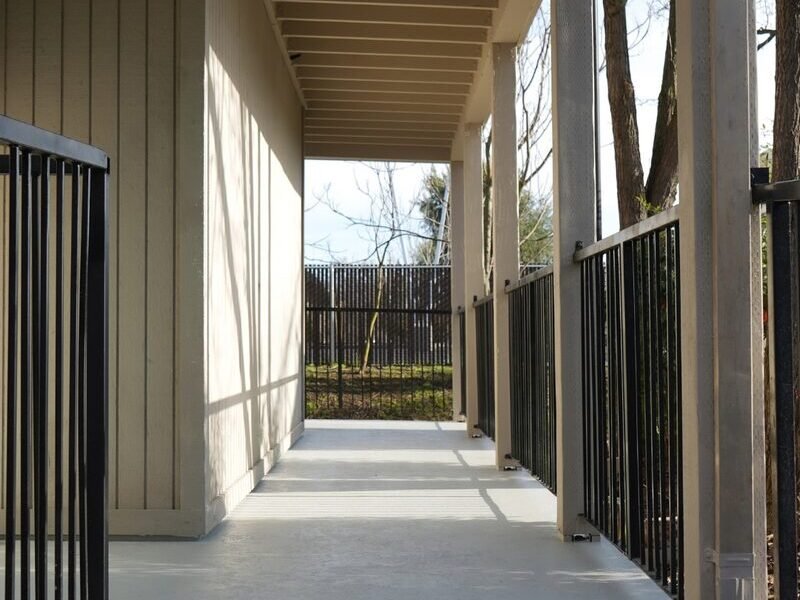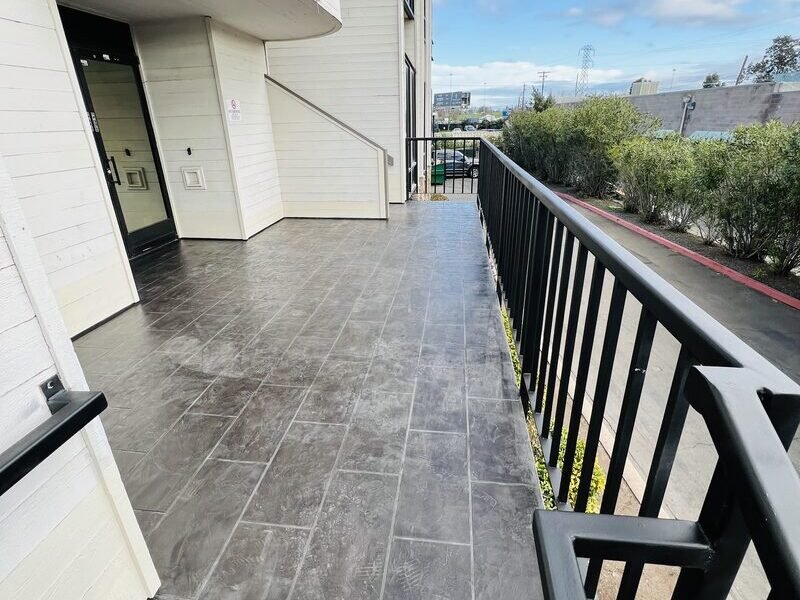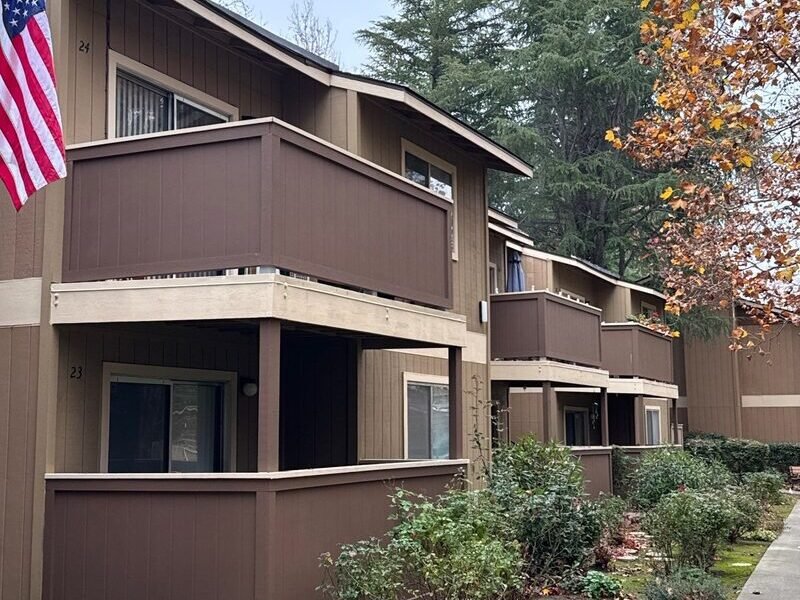
For condominium associations, SB 326 sets a nine-year inspection cycle for exterior elevated elements. Planning around that timeline keeps a board ahead of both safety risks and reserve-fund surprises — two things no association wants to face without warning.
What the law requires
The inspection must be performed by a licensed structural engineer or architect, who evaluates at least fifteen percent of each type of exterior elevated element that relies on waterproofing for structural integrity. The findings are documented and, crucially, feed directly into the association’s reserve study.
Treat it as a budgeting event
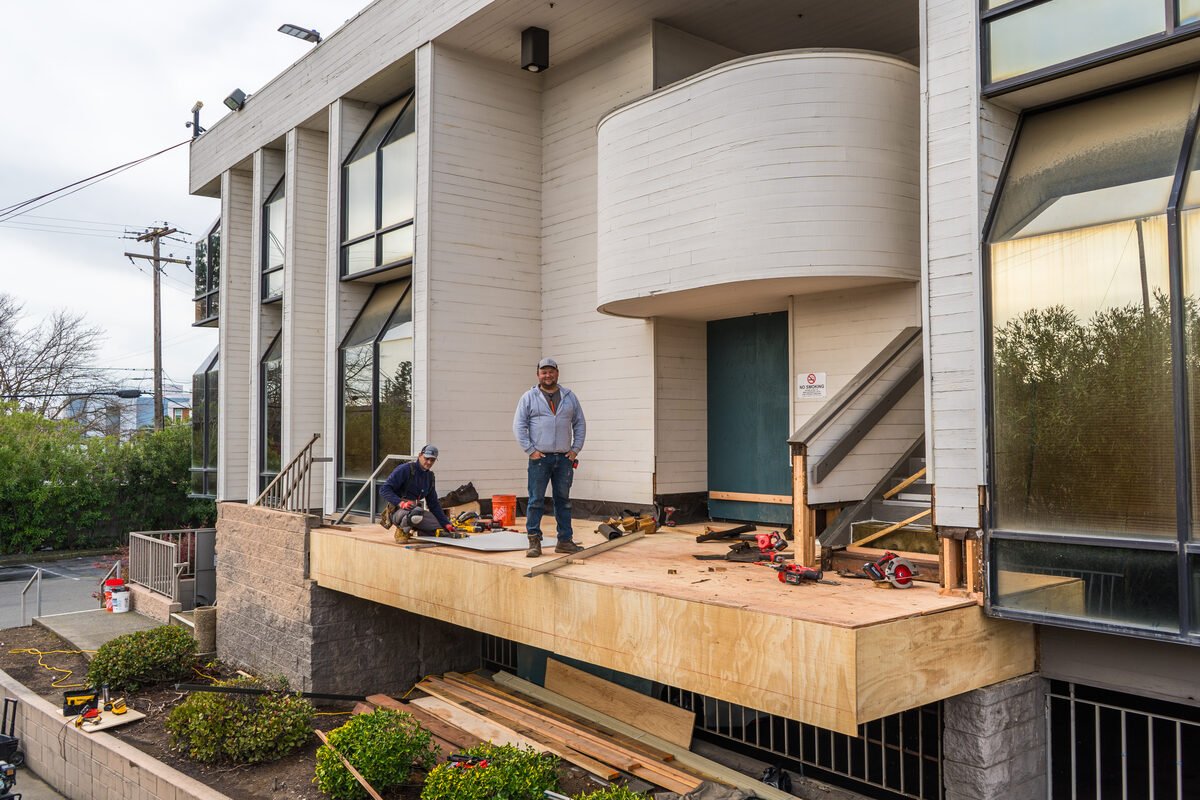
Boards should treat the inspection as a budgeting event, not just a compliance checkbox. If the report identifies repairs, the association needs funds allocated and a contractor scheduled. An inspection that reveals significant work with no reserves set aside can force a special assessment — exactly the outcome boards are elected to avoid.
- Confirm your building’s inspection due date and mark it early
- Budget for the inspection itself and for likely repairs
- Fold findings into the next reserve study update
- Keep records for the next nine-year cycle
Start early
The smartest associations begin the process a year before the deadline. That lead time allows for competitive bids, thoughtful repair planning, and a smooth path to sign-off — instead of a rushed, expensive scramble at the last minute. If your association’s due date is approaching, getting the inspection on the calendar now is the single best thing the board can do.