The value of a compliance inspection depends entirely on who performs it. California’s laws specify who is qualified, and hiring outside those requirements can leave you non-compliant even after you have paid for — and acted on — an inspection. Here is what to verify before you hire.
Confirm the qualification for your property
Start by confirming the inspector meets the standard for your property type: a licensed structural engineer or architect for SB 326, or a qualified licensed professional for SB 721. Ask for their license number and verify it. This one step prevents the most costly mistake in the whole process.
Experience matters as much as credentials
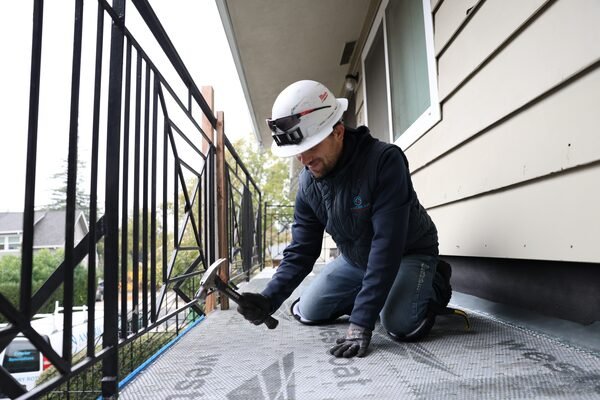
An inspector who works on exterior elevated elements every week will recognize failure patterns a generalist might miss, and will know how to sample a building efficiently and fairly. Ask how many balcony and deck inspections they perform, and whether they also handle repairs — a team that does both can move seamlessly from findings to fixes.
- Verify the license type required by your law (SB 721 vs SB 326)
- Ask for a sample report you can actually read and act on
- Check references from similar properties
- Confirm they carry appropriate insurance
Review a sample report
Finally, review a sample report before you commit. Clear, photo-documented reporting that a property manager or HOA board can act on is the mark of a professional — and it is the document you will rely on for years, both for compliance and for planning repairs. If a prospective inspector can’t show you one, keep looking.