Structural Repair
- Joist and beam replacement
- Ledger board reinforcement
- Connection hardware upgrades
- Support post reconstruction
Sacramento County · SB 721 & SB 326 specialists
From Land Park bungalows and Midtown four-plexes to Natomas garden-style complexes and downtown mid-rises, Sacramento balcony stock changes neighborhood by neighborhood. Our SB 721 and SB 326 team works district by district — same licensed specialists, same fast turnarounds, with deep familiarity in every part of the city.
Inspection, compliance, repair, and reconstruction for Sacramento apartment owners, HOA boards, and property managers — handled end‑to‑end by one licensed team.
What type of property do you manage?
Which exterior structures are 6 feet or more above ground?
Select all that apply
Get your free compliance assessment
We'll send your personalized report within 24 hours
Thank you! We'll contact you within 24 hours with your personalized compliance report.
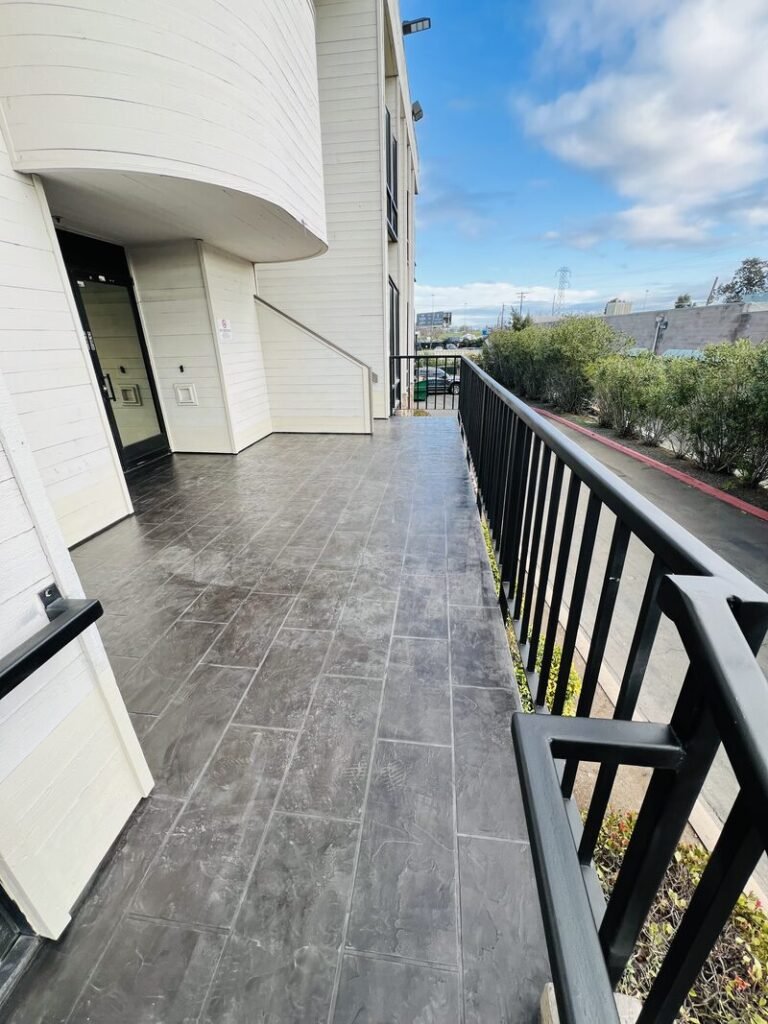
From redwood deck assemblies in East Sac to pressure-treated framing in newer suburban builds — we know the wood stock used across Sacramento and how each vintage weathers.
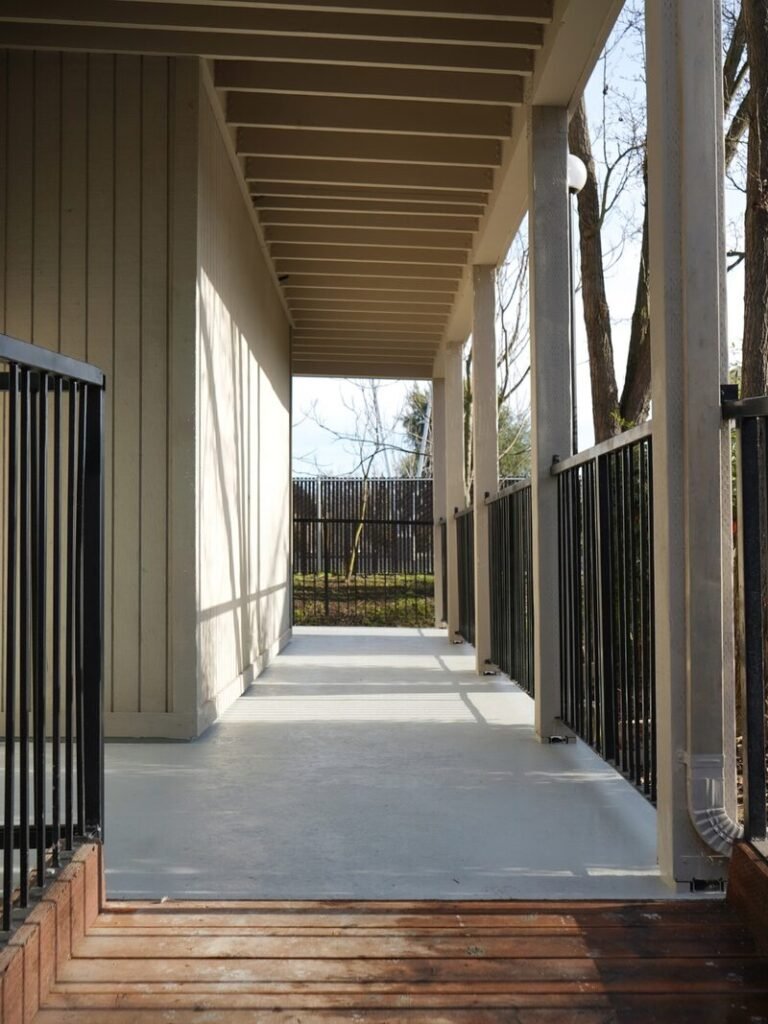
Concrete balconies on mid-rise condos (Capitol Corridor, Downtown) get specialized membrane and flashing work. We handle epoxy injection for surface cracks and full deck overlays when needed.
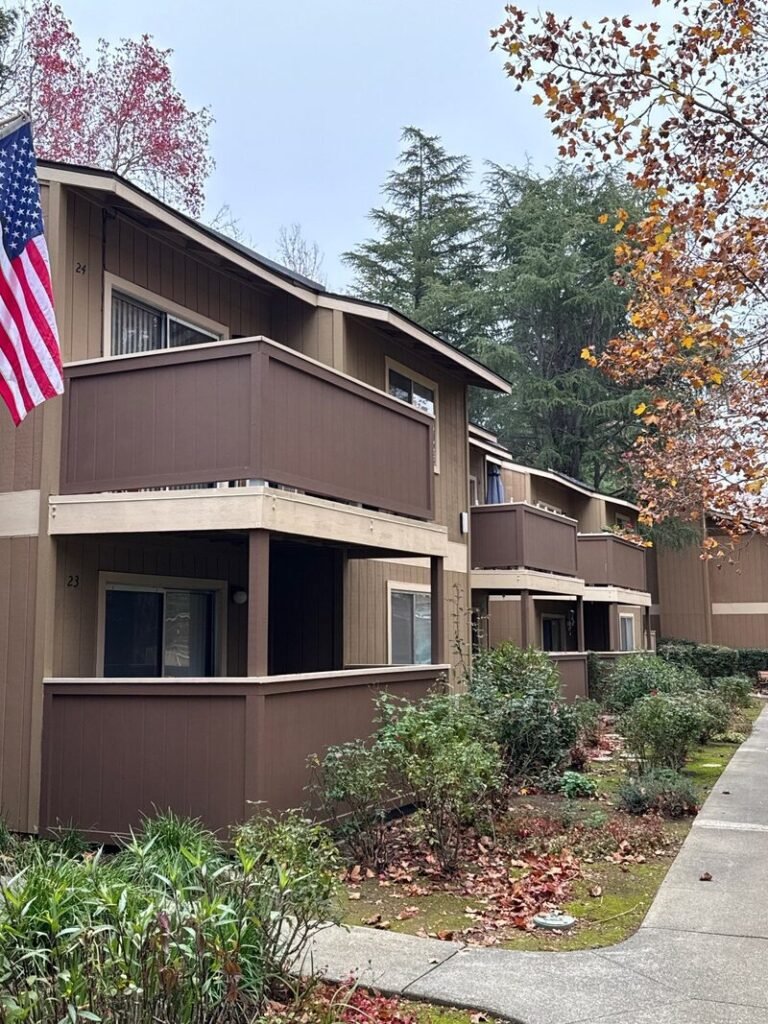
Composite decks on newer properties have their own failure modes — board cupping, fastener pull-through, underlying joist damage masked by the cover. We inspect under the surface.
A 30-minute on-site walkthrough tells you exactly what's required.
Sacramento is the capital, but for balcony and deck work it's a city defined by its building eras: mid-century multi-unit stock in the core, 1970s–90s garden-style complexes through Arden and Natomas, and a growing wave of mid-rise condos downtown. Each era brings its own assemblies — and its own failure modes.
Our office at 191 Lathrop Way puts us less than 20 minutes from almost every property in Sacramento County. We've walked roofs and balconies across the city long enough to recognize construction patterns on sight: which 1980s apartment buildings had the same flashing subcontractor, which HOA developments specified undersized joist hangers, which condo complexes have the waterproof membrane that's now at end-of-life. Below is what we typically find, district by district.
The urban core mixes pre-WWII walk-up apartments and Victorian conversions with the new mid-rise condo wave that started around 2010. Older Midtown buildings often have decks added during 1980s–90s remodels — those frequently fail SB 721 because of undersized ledger fasteners and missing flashing kick-outs at the rim board. The new mid-rises along J Street, R Street, and the Ice Blocks corridor have podium-deck balconies whose waterproof membranes are now reaching the 10–15 year mark, exactly when SB 326 inspections start finding water intrusion at thresholds and railing-post penetrations.
These are the duplex and four-plex pockets — small multi-family stock where SB 721 still applies whenever there are 3+ units. Most balconies here are 1940s–1970s tongue-and-groove decking on Douglas fir joists, often with no flashing under the ledger. We typically find deferred-maintenance dry rot at ledger-to-rim-board connections and rusted joist hangers, especially in properties where prior owners painted over moisture damage rather than replacing it.
The river-adjacent and floodplain neighborhoods. Pocket and Greenhaven were built in the 1970s–90s on infill close to the Sacramento River; Natomas (both North and South) sits inside FEMA Special Flood Hazard Area Zone AE with its own finish-floor elevation rules. For decks in these zones, the inspection has to consider not just structure but how the deck attaches to the house relative to the certified flood elevation — bolt-throughs and ledger penetrations below the freeboard need extra waterproofing detail. The garden-style complexes from this era are also where we find the most pressure-treated lumber re-installed under California's post-2003 ACQ chemistry, with corrosion compatibility issues where new PT contacts older galvanized hardware.
Largely unincorporated Sacramento County, which means county building-department permits — a different filing track from City of Sacramento. The apartment stock here skews heavily to 1970s–80s garden-style, with cantilevered balconies and elevated walkways that fall squarely under SB 721. We see the same waterproofing failure mode repeatedly: original built-up roofing membrane on balconies, never replaced, now leaking into the ceilings of units below. These properties are also where condo HOAs are most likely to have under-funded reserves for balcony assemblies.
The post-2000 Natomas Park and Greenbriar developments are mostly condo and townhome complexes triggering SB 326. They have engineered LVL framing, manufactured connections, and modern PVC or TPO decking membranes — so the failure modes here are less about age and more about original installation quality: missed sealant joints at column-base flashings, improperly lapped membranes at scuppers, and railing-post penetrations driven through membranes without proper boots.
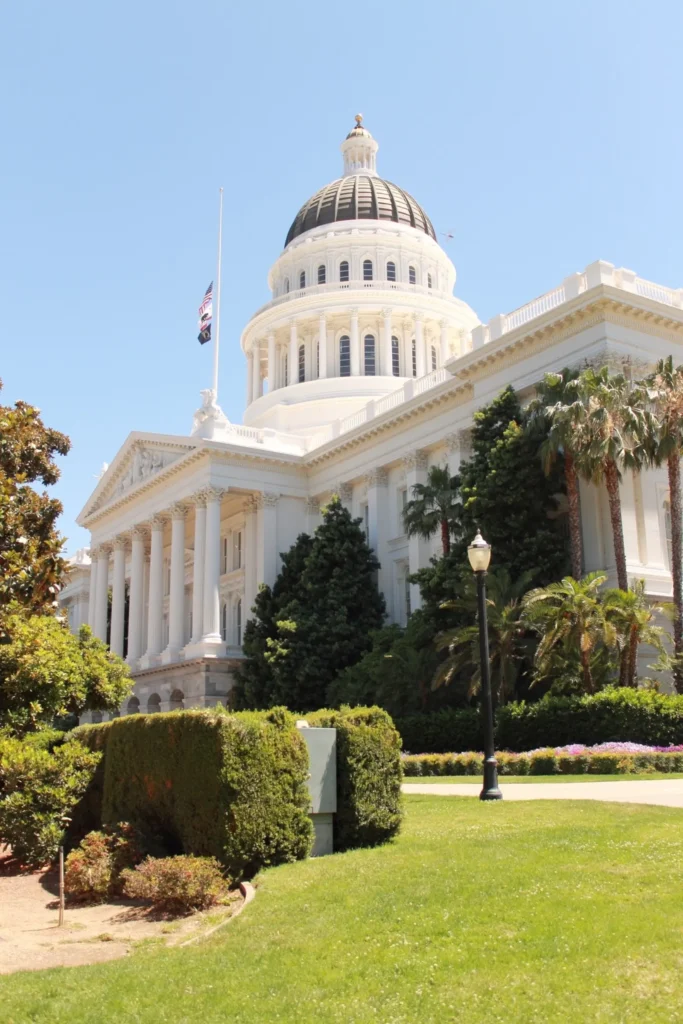
Sacramento's hot dry summers (100°F+ weeks) expand metal flashing; wet winters then exploit any crack. This cycle is the single biggest driver of balcony water damage in the region.
Issues that repeat across the local building stock — from climate, construction era, or common materials in this area.
Many Sacramento properties were built in the 1970s–80s when flashing standards were looser. Water migrates into the ledger and rots joist ends from behind.
Sacramento summers expand metal flashing and crack old sealant. Winter rain then finds its way between siding and deck — hidden damage for years.
UV-aged membrane on second-story balconies — common on apartment complexes built pre-2000. Usually visible as blistering or cracking near drains.
Older joist hangers and lag bolts no longer meet current CBC guard-load requirements. We replace with stainless or hot-dip galvanized per current code.
Many Sacramento condo balconies have 36" railings where 42" is now required. We raise and reinforce them during the same visit.
SB 721 inspections for Sacramento apartment complexes — every 6 years. We schedule around tenants.
SB 326 inspections for condos across Midtown, East Sac, and Natomas — every 9 years, with engineer-signed reports.
Full board-level reporting, permit filings, and compliance letter ready for your HOA archive and lenders.
Townhomes and multi-family developments across Sacramento County, Land Park, Pocket, and surrounding neighborhoods.
Serving all of Sacramento with fast response times. Most assessments within 3 business days.
After the work is complete, you walk away with a full archive package — ready for your HOA board, insurer, city, or next property sale.
Before, during, and after photos tagged to every structural element inspected.
Full permit package, inspection card sign-offs, and city correspondence archived.
Manufacturer warranties plus our labor guarantee in writing.
Detailed scope-of-work summary covering every repair and reinforcement.
Engineer-signed SB 721 / SB 326 letter for your HOA archive, insurance, and lender.
For Sacramento projects we also include any FEMA floodplain notations and city-specific appendix sheets your management company may need.
We walk the property, identify scope, and flag any urgent safety items. No cost, no obligation.
Full proposal with line-item pricing, material specs, and a realistic timeline.
We handle city permits and coordinate tenant notices with property management.
One licensed crew, start to finish. Daily photo updates and clean worksites.
City sign-off, warranty package, and compliance letter delivered to you.
ABD handled our SB 326 compliance start-to-finish. The compliance letter was in our hands the week after final sign-off. Our HOA board had everything they needed for the next lender review.
We've used ABD for three buildings in the Pocket area now. Consistent, on-schedule, and clean worksites. The photo journal is what sold our property manager the first time.
Land Park is dominated by mid-century bungalows and small condo communities — the deck stock skews 1950s–70s with traditional wood framing, where we focus on ledger flashing, joist hangers, and dry rot at rim boards. Pocket is later (1970s–90s) and sits closer to the Sacramento River, so we add floodplain elevation checks and look harder at galvanic corrosion where post-2003 pressure-treated lumber meets older galvanized hardware. The reports follow the same SB 721 / SB 326 format, but the failure modes we look for are different by neighborhood.
Most of Natomas (North and South) is inside FEMA Special Flood Hazard Area Zone AE, which sets a base flood elevation and freeboard. For deck inspections that means two extra checks: (1) ledger bolts and house-side penetrations below the freeboard need verified waterproofing details, and (2) any structural repair that triggers a permit gets reviewed against the floodplain ordinance. We coordinate with City of Sacramento floodplain staff when an elevation-certificate condition applies, so the SB 721 / SB 326 report integrates cleanly with the property's FEMA file.
Yes. SB 721 applies to any apartment building with 3 or more rental units that has exterior elevated elements (decks, balconies, walkways, stairs) supported in whole or in part by wood framing. A Midtown four-plex with even a single rear-facing wood balcony or shared exterior stair is squarely within scope. The first cycle's deadline was January 1, 2025; if it was missed, we still recommend completing the inspection ASAP because the 6-year cycle clock runs from the inspection date and penalties continue to accrue daily until the report is filed.
The inspection itself is identical — the same SB 721 / SB 326 standards apply countywide. What changes is the permit jurisdiction: Arden-Arcade and Carmichael are unincorporated Sacramento County, so any structural-repair permit goes to the County Building Permits division, not the City of Sacramento Community Development Department. We file with whichever jurisdiction the property sits in and budget for the difference in review time — county turnaround tends to run a week or two longer than city.
For a standard mid-rise building, on-site inspection is 1–2 days. A full written report with photos and recommendations is delivered within 10 business days. Repair work, when needed, usually starts 2–4 weeks after permit approval — add a week or two if the property sits in unincorporated county jurisdiction.
In the wrong city? Jump to the right page for your property.
Tell us about your property and we'll come out, walk it, and give you a written plan — free of charge, no obligation.